Get Sumac Eradication in Burlington County, NJ
Sumac eradication services for Burlington County property owners involve removing invasive plants to improve landscape safety, aesthetics, and prevent property damage with the help of experienced local contractors.
Property owners in Burlington County, NJ, facing the challenge of invasive sumac growth can find valuable assistance through experienced local service providers. Managing sumac trees and shrubs requires careful planning to ensure the work is effective and safe, especially when considering the specific conditions of properties in the area. Exploring options from nearby contractors can help property owners compare approaches and determine the best fit for their landscape management needs.
Whether planning a landscape renovation or simply seeking to control unwanted growth, understanding the available services can support informed decisions. Local contractors specializing in sumac eradication offer a range of solutions tailored to the unique characteristics of Burlington County properties. Continuing to explore these options can help property owners identify the most suitable professionals to handle their specific project requirements.
- Sumac Eradication - when invasive sumac plants threaten native landscapes or property aesthetics in neighborhoods around Burlington County, NJ.
- Sumac Removal - if overgrown sumac shrubs are encroaching on lawns, driveways, or garden spaces in nearby communities.
- Sumac Control - to manage persistent sumac growth that has started to spread into wooded areas or along property boundaries.
- Sumac Clearing - when dense sumac stands need to be removed to improve visibility or prepare land for development in local areas.
- Sumac Tree Removal - in cases where large sumac trees pose safety concerns or interfere with utility lines in residential neighborhoods.
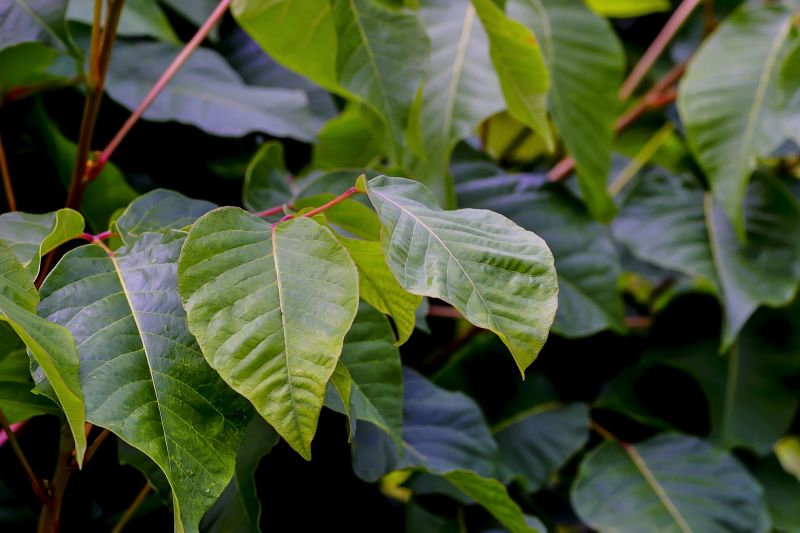

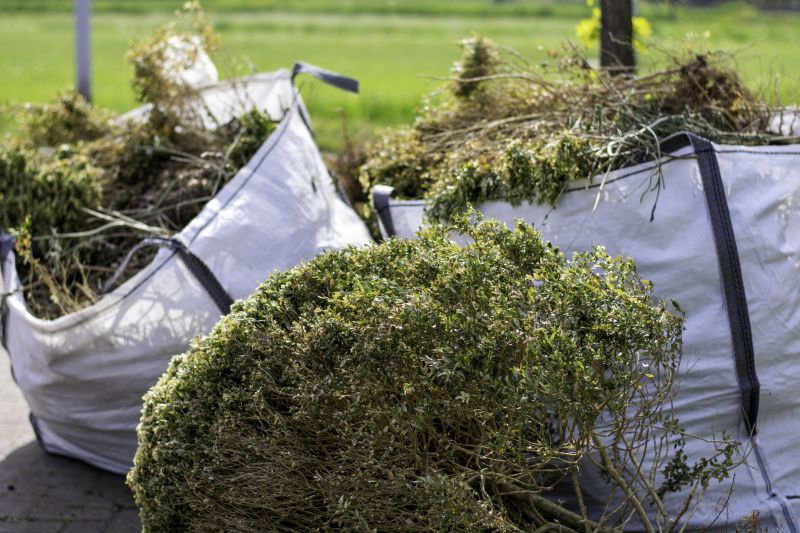
Sumac eradication services focus on removing invasive sumac plants from residential and commercial properties. These services typically involve identifying the extent of sumac growth, carefully removing the plants, and sometimes treating the surrounding area to prevent regrowth. Proper removal is important because sumac can quickly spread and dominate landscapes, making it difficult to maintain a healthy yard or garden. Local contractors use specialized techniques to ensure that the sumac is fully eradicated, helping property owners restore their outdoor spaces.
Sumac can cause a variety of problems for homeowners and property managers. Its aggressive growth can overshadow native plants, reduce biodiversity, and diminish the aesthetic appeal of a landscape. Additionally, some species of sumac produce berries that attract pests or cause allergic reactions in sensitive individuals. If sumac plants are left unchecked, they can also interfere with lawn maintenance and limit usable outdoor space. Professional eradication services help address these issues by removing the plants safely and effectively.
Properties that typically benefit from sumac eradication include residential yards, commercial landscapes, and public parks. Homes with large or invasive sumac patches often seek removal to improve curb appeal and prevent the spread to neighboring properties. Commercial properties, such as retail centers or office complexes, may require professional removal to maintain a tidy appearance and comply with local landscaping standards. Public parks and community spaces also rely on these services to manage invasive plants and promote healthier, more enjoyable outdoor environments.
Homeowners and property managers who notice dense patches of sumac or find the plants spreading into their lawns should consider professional eradication services. These experts can assess the situation, determine the best removal methods, and help prevent future growth. Whether dealing with a small cluster or a large infestation, experienced service providers can help restore the natural beauty of the landscape and reduce the ongoing challenges caused by invasive sumac plants.
The overview below groups typical Sumac Eradication projects into broad ranges so you can see how smaller, mid-sized, and larger jobs often compare in Burlington County, NJ.
In many markets, a large share of routine jobs stays in the lower and middle ranges, while only a smaller percentage of projects moves into the highest bands when the work is more complex or site conditions are harder than average.
Smaller Removal Jobs - Typical costs for removing small to medium-sized sumac infestations range from $250 to $600. Many routine jobs fall within this range, covering single-site removals or light clearing projects. Larger or more complex jobs can exceed this range, depending on the extent of the growth.
Extensive Land Clearing - For larger areas requiring significant sumac removal, costs generally range from $1,000 to $3,000. These projects often involve multiple sites or larger properties and are more common in extensive clearing efforts.
Root and Stump Removal - Removing sumac roots and stumps typically costs between $600 and $1,500 per site. Many projects in this category are routine, but more involved jobs with stubborn stumps can push costs higher.
Full Property Eradication - Complete removal of sumac from an entire property can range from $3,000 to $5,000 or more. Such large-scale efforts are less common and usually reserved for properties with widespread infestations requiring comprehensive treatment.
Actual totals will depend on details like access to the work area, the scope of the project, and the materials selected, so use these as general starting points rather than exact figures.
Invasive Plant Removal - Professionals experienced in removing invasive species like Japanese knotweed or poison ivy utilize similar planning and equipment as those used for sumac eradication.
Land Clearing Services - Land clearing projects require knowledge of vegetation management and heavy equipment operation, aligning with techniques used in sumac removal efforts.
Brush and Shrub Control - Local contractors specializing in brush control employ similar methods to manage dense sumac growth in residential or commercial landscapes.
Wildfire Risk Reduction - Projects focused on reducing wildfire hazards involve vegetation management skills comparable to sumac eradication strategies.
Habitat Restoration - Restoring natural habitats often includes removing unwanted shrubbery like sumac to promote native plant growth, requiring similar planning and tools.
Tree and Stump Removal - Tree removal services involve excavation and stump grinding techniques that can be applied when removing large sumac plants or root systems.
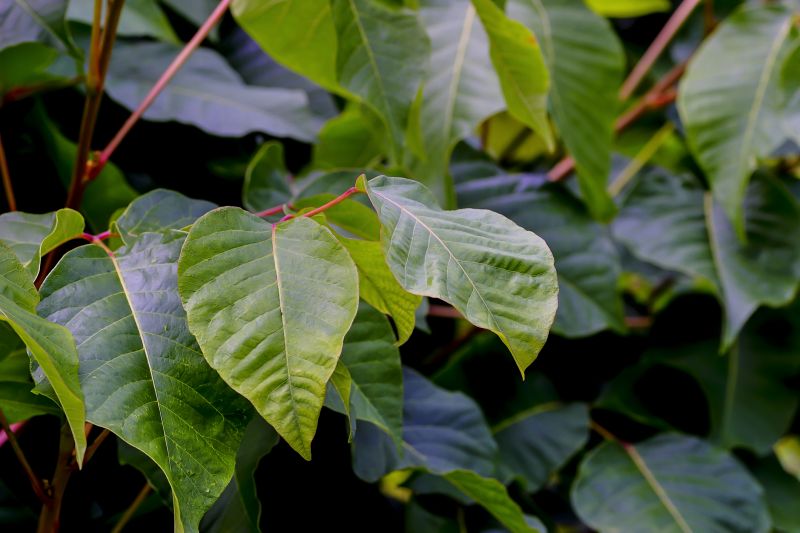
When comparing service providers for Sumac eradication, it’s important to consider their experience with similar projects in the Burlington County area. Homeowners should look for local contractors who have a proven track record of handling Sumac removal or related landscaping services. This experience can indicate familiarity with the specific challenges of managing Sumac in the local environment, ensuring that the work is performed efficiently and effectively. Asking about previous projects or seeking references can help gauge a provider’s expertise and reliability in completing similar jobs.
Clear, written expectations are vital when choosing a contractor for Sumac eradication. Homeowners should look for providers who can offer detailed descriptions of their services, including the scope of work, methods used, and any necessary follow-up. Having these details in writing helps prevent misunderstandings and ensures that both parties are aligned on the project’s goals. It’s also beneficial to request a list of reputable references or reviews from past clients, which can provide insights into the contractor’s professionalism, quality of work, and ability to meet expectations.
Effective communication is a key factor in selecting the right service provider. Homeowners should prioritize local contractors who are responsive, transparent, and willing to answer questions clearly. Good communication fosters trust and makes it easier to discuss specific concerns or preferences related to Sumac removal. Since the site introduces homeowners to local options rather than performing the work itself, taking the time to evaluate how well a potential service provider communicates can help ensure a smooth and satisfactory experience when the project begins.
Property owners in Burlington County, NJ use Sumac Eradication services for practical projects around their homes and businesses. This guide focuses on everyday jobs and straightforward project options.


Sumac eradication services are often needed when property owners in Burlington County notice unwanted growth spreading across their yards, gardens, or wooded areas. Over time, sumac can quickly take over open spaces, making it difficult to maintain the landscape or use the land for outdoor activities. Local contractors who specialize in plant removal can help clear these areas efficiently, restoring the natural look of a property and preventing the sumac from encroaching on gardens, lawns, or driveways.
Homeowners and property managers may seek sumac removal when the dense shrubs start to interfere with outdoor plans or pose challenges for mowing and landscaping. In some cases, the aggressive growth can also impact the health of surrounding plants or create safety concerns due to its prickly branches. Service providers in the area are equipped to assess the situation and provide tailored solutions to manage or eliminate sumac, helping property owners keep their outdoor spaces safe and visually appealing.
What are signs of a sumac infestation? Signs include dense clusters of bright red berries, distinctive pinnate leaves, and the presence of large, woody shrubs in affected areas.
How do professionals typically remove sumac plants? They often use mechanical removal methods combined with targeted herbicide treatments to ensure thorough eradication.
Is sumac removal safe for nearby plants and landscaping? Yes, experienced service providers take care to minimize impact on surrounding vegetation during the removal process.
What areas do local contractors serve for sumac eradication? They typically cover Burlington County, NJ, and neighboring communities where sumac infestations are common.
Can sumac be prevented from returning after removal? Yes, professionals can recommend follow-up treatments and maintenance practices to help prevent regrowth.
Property maintenance planning - property owners can consider Sumac eradication as part of seasonal landscaping or yard cleanup projects to keep outdoor spaces tidy.
Pest prevention strategies - homeowners may use this service to reduce the risk of Sumac-related issues before they become a problem in high-traffic or recreational areas.
Landscape improvement ideas - those renovating or redesigning their yards might include Sumac removal to create a cleaner, more organized outdoor environment.
Property value enhancement - property owners can explore Sumac eradication to improve curb appeal and maintain the overall appearance of their homes or commercial spaces.
If you are thinking about Sumac Eradication for a property in Burlington County, NJ, this guide is meant to help you understand the work, the typical project types, and how different options might fit your plans.
When you are ready, you can use the quote form on this page to share a few details about your project. From there, local pros can review the basics and respond with options that match what you have in mind.