Get Poison Ivy Removal
Local contractors offer Poison Ivy Removal services to eliminate hazardous plants from yards, fences, and wooded areas, ensuring safety and landscape preservation.
If your property has become overgrown with poison ivy, finding effective removal options is an important step toward maintaining a safe and healthy outdoor space. Property owners in the area may seek professional services to manage this plant, especially when dealing with large or hard-to-reach areas. Exploring local contractors who specialize in poison ivy removal can help ensure the job is handled efficiently and safely, allowing you to enjoy your outdoor environment without worry.
Comparing local service providers can help identify the right professionals for your specific needs, whether you’re addressing a small patch or a widespread growth. Many property owners consider professional removal to prevent potential health issues, protect landscaping, and preserve the beauty of their outdoor spaces. Continue exploring your options to find trusted local contractors who can assist with effective poison ivy removal tailored to your property.
- Poison Ivy Removal - when plants pose a risk of skin irritation or allergic reactions in residential or commercial properties.
- Poison Ivy Removal - if invasive ivy growth is damaging fences, walls, or other structures around a property.
- Poison Ivy Removal - to eliminate hazardous plants from outdoor recreational areas or playgrounds for safety reasons.
- Poison Ivy Removal - when overgrown ivy is encroaching on trees, shrubs, or landscaping features.
- Poison Ivy Removal - to clear invasive plants from properties undergoing landscaping or renovation projects.
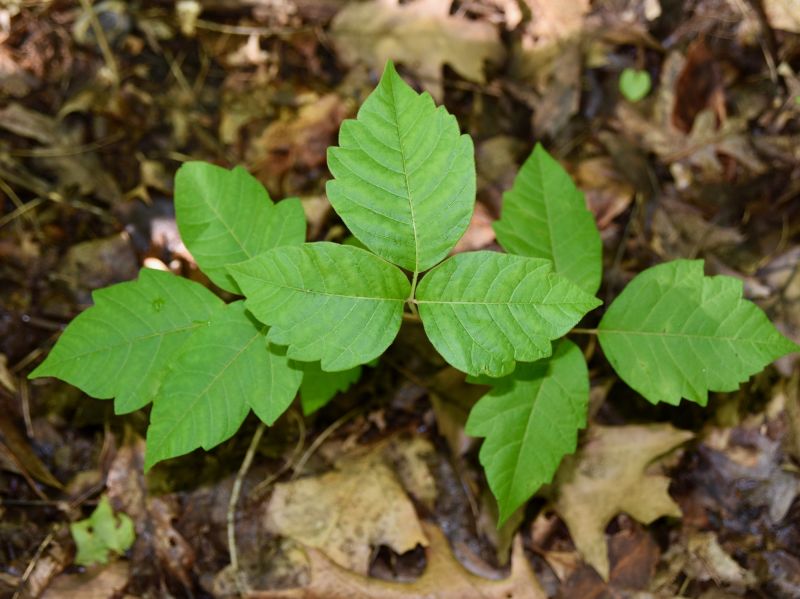
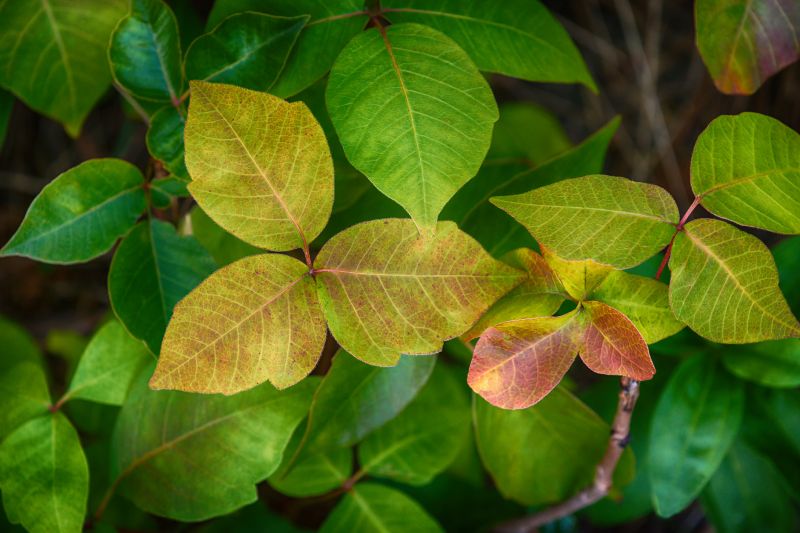
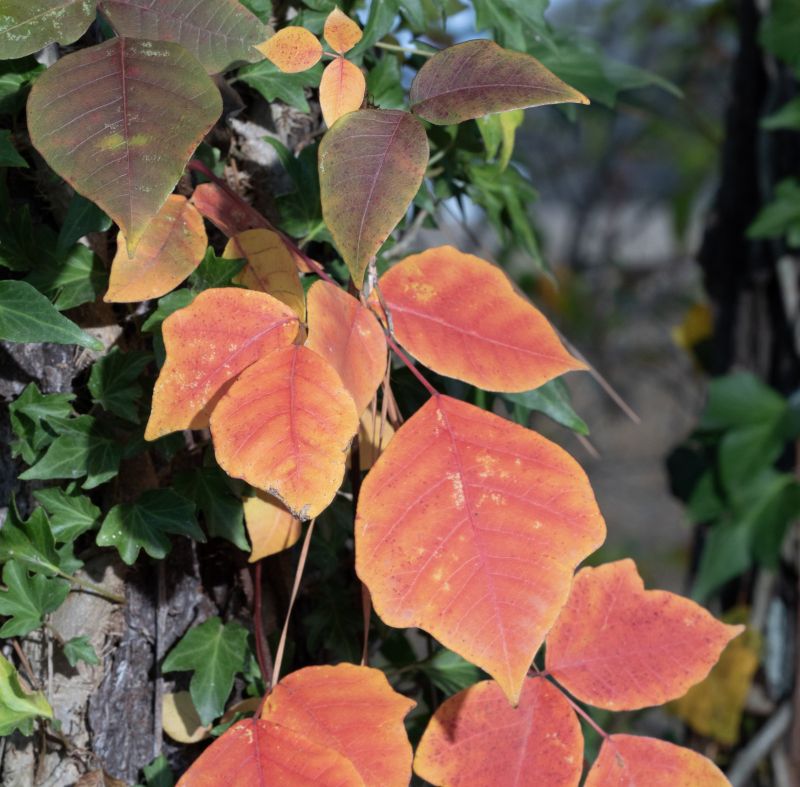
Poison ivy removal services involve identifying and safely eliminating this invasive plant from residential properties. Trained service providers use specialized techniques and equipment to carefully remove poison ivy vines from trees, fences, and ground areas. The process often includes thorough inspection of the affected zones, careful removal to prevent the spread of urushiol-the oil that causes allergic reactions-and proper disposal of plant material to ensure it does not regrow or pose a risk to people and pets.
This service helps address a variety of outdoor problems caused by poison ivy. It is especially useful for homeowners who want to prevent skin irritation, allergic reactions, or other health issues linked to contact with the plant. Poison ivy can also damage landscaping, climb onto structures, and create unsafe outdoor environments. Removing it can improve the safety and appearance of a yard, making outdoor spaces more enjoyable and accessible for family activities and gardening.
Properties that typically benefit from poison ivy removal include residential yards, gardens, and outdoor recreational areas. Homes with wooded lots, fences, decks, or trees that have become infested are common candidates for this service. Additionally, properties near parks, trails, or natural areas where poison ivy tends to grow densely may require professional removal to ensure safety and maintain a clean, healthy environment for residents and visitors.
Homeowners who notice vines or patches of poison ivy in their yard should consider professional removal if the plant is difficult to reach or appears to be spreading rapidly. This service is also recommended when poison ivy grows close to play areas, patios, or garden beds, where accidental contact is more likely. Connecting with local contractors can provide the expertise needed to safely and effectively remove poison ivy, helping to restore outdoor spaces to a safer, more attractive condition.
The overview below groups typical Poison Ivy Removal projects into broad ranges so you can see how smaller, mid-sized, and larger jobs often compare in your area.
In many markets, a large share of routine jobs stays in the lower and middle ranges, while only a smaller percentage of projects moves into the highest bands when the work is more complex or site conditions are harder than average.
Small-Scale Removal - typical costs range from $250 to $600 for many smaller jobs, such as removing ivy from a single tree or small area. Many routine projects fall within this range, with fewer reaching the higher end for additional cleanup or complex access.
Medium-Sized Projects - costs usually range from $600 to $1,500 for moderate removal jobs involving multiple plants or a larger section of a yard. These projects are common and often involve some pruning or partial removal of extensive ivy growth.
Large or Complex Jobs - larger, more complex projects can reach $1,500 to $3,000 or more, especially when removal involves multiple areas, significant landscaping, or difficult access. Fewer projects fall into this high-cost range, but they are necessary for extensive infestations or property-wide removal.
Full Property Removal - complete removal of ivy across an entire property can cost $3,000 to $5,000+ depending on size and complexity. Many local contractors handle these large-scale projects, which are typically priced based on the total area and level of difficulty involved.
Actual totals will depend on details like access to the work area, the scope of the project, and the materials selected, so use these as general starting points rather than exact figures.
Vegetation Clearing - professionals skilled in removing invasive plants and overgrown brush, similar to poison ivy removal techniques.
Tree Trimming and Pruning - involves careful cutting and removal of branches, which shares planning and safety considerations with poison ivy removal.
Landscaping and Site Preparation - includes clearing unwanted vegetation and preparing outdoor spaces, requiring similar tools and planning skills.
Brush and Underbrush Removal - focuses on clearing dense undergrowth, often involving the same equipment and methods used for poison ivy eradication.
Stump and Root Removal - involves extracting plant roots from the ground, which can be related to removing root systems of invasive plants like poison ivy.
Fence and Property Line Clearing - includes removing overgrown vegetation along boundaries, requiring similar planning and vegetation management skills.
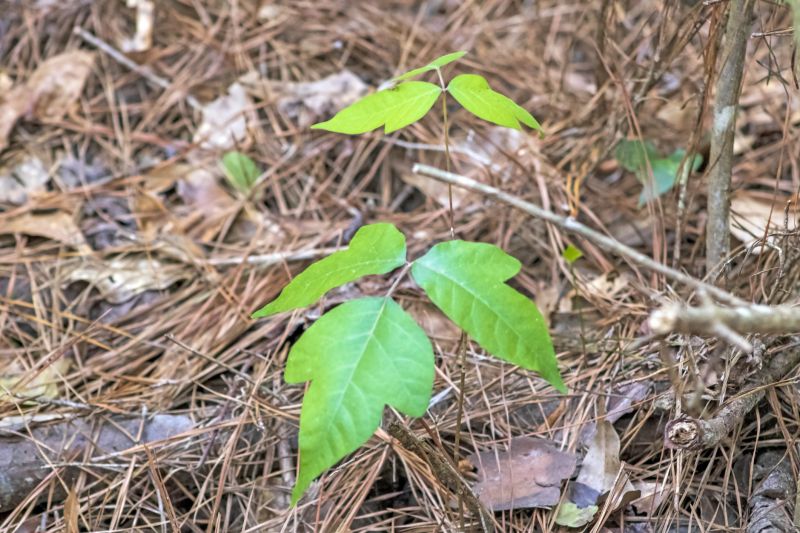
When evaluating potential service providers for Poison Ivy removal, it’s important to consider their experience with similar projects. Homeowners should inquire about how many times the contractor has handled poison ivy or related plant removal jobs, and whether they have encountered properties similar to their own in size or landscape features. An experienced local contractor is more likely to understand the specific challenges involved and deliver results efficiently. This background can help ensure that the job is completed properly and reduces the risk of recurring growth or damage to surrounding plants.
Clear, written expectations are essential when comparing local pros for poison ivy removal. Homeowners should seek detailed descriptions of what the service includes, such as the scope of plant removal, cleanup procedures, and any guarantees or follow-up services. Having these expectations documented helps prevent misunderstandings and ensures that both parties are aligned on what will be delivered. It’s also wise to ask for a written outline of the process, so that homeowners can review and confirm that the approach meets their needs before any work begins.
Reputable references and good communication are key indicators of a trustworthy service provider. Homeowners can ask potential local contractors for references from previous clients who had similar work done, and then follow up to learn about their experiences. Additionally, responsive and clear communication during the initial contact phase can reveal how well a contractor understands customer needs and how easy it will be to work with them. While the site introduces homeowners to local options, it’s important to remember that selecting a qualified, communicative, and experienced service provider is the best way to ensure a successful poison ivy removal project.
Property owners use Poison Ivy Removal services for practical projects around their homes and businesses. This guide focuses on everyday jobs and straightforward project options.
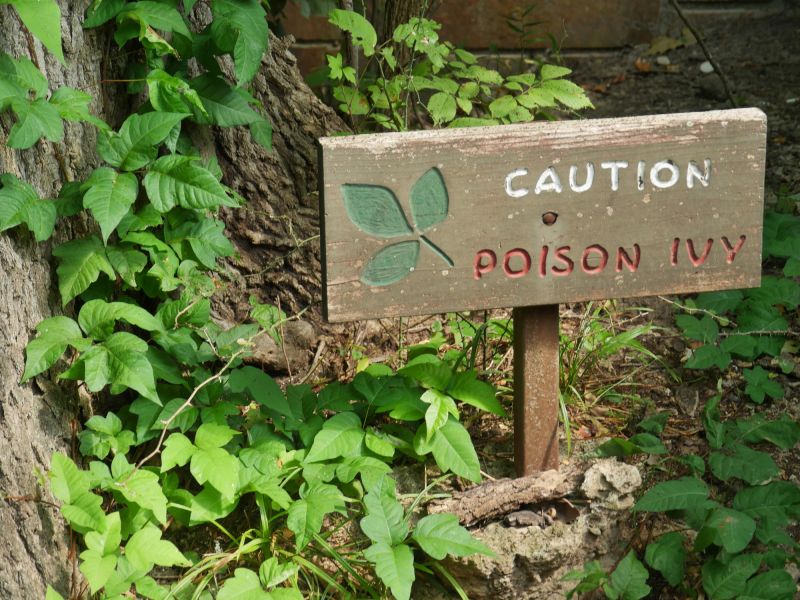
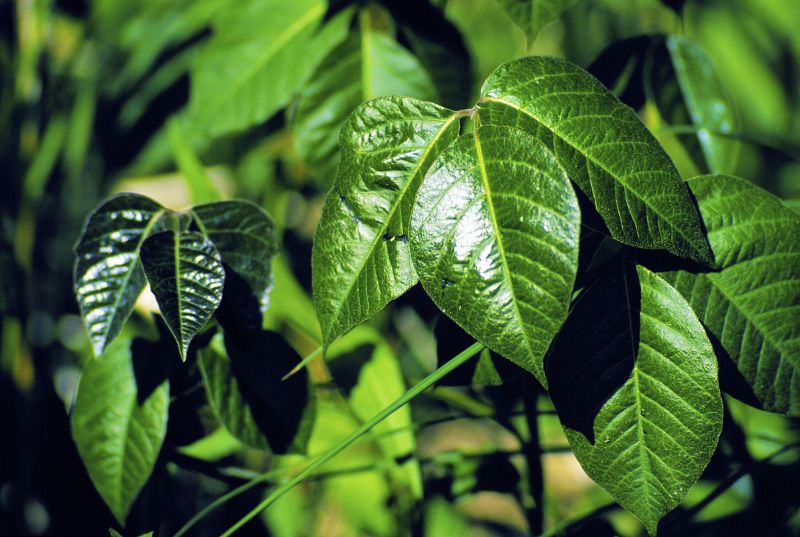
Poison ivy can quickly become a common concern for property owners who want to maintain a safe and attractive outdoor space. Overgrown patches along fences, in yards, or near walkways can pose health risks for families and pets, prompting many to seek professional removal services. Local contractors experienced in plant removal can help clear these troublesome plants efficiently, reducing the risk of allergic reactions and preventing further spread across the property.
In addition to health concerns, property owners often look for poison ivy removal when preparing for outdoor projects or landscaping improvements. Removing invasive plants like poison ivy can be essential to creating a clean, safe environment for gardening, play areas, or outdoor gatherings. Service providers in the area are equipped to handle these jobs, ensuring that outdoor spaces are safe and ready for use.
What is poison ivy removal? Poison ivy removal involves the process of identifying and safely eliminating poison ivy plants from residential or commercial properties to prevent contact and allergic reactions.
How do local contractors remove poison ivy? Local contractors typically use manual removal methods, such as cutting and pulling plants, along with herbicides when appropriate, to effectively eliminate poison ivy from the area.
Is poison ivy removal safe for my yard? Professional poison ivy removal aims to safely clear the plants while minimizing impact on surrounding landscaping, but it is best to consult with local service providers about specific safety measures.
What areas do poison ivy removal services cover? These services generally cover yards, gardens, and outdoor spaces where poison ivy has grown and needs to be removed to ensure safety and compliance.
How can I find local pros for poison ivy removal? This website helps connect with local contractors who specialize in poison ivy removal, allowing property owners to compare options and choose suitable service providers.
Preventing Property Damage - Removing poison ivy helps protect decks, fences, and outdoor furniture from potential harm caused by plant growth.
Creating Safe Outdoor Spaces - Eliminating poison ivy reduces the risk of skin irritation or allergic reactions for family and visitors enjoying the yard.
Maintaining Landscape Aesthetics - Clearing poison ivy allows for better landscaping and garden planning without the interference of invasive plants.
Ensuring Property Accessibility - Removing poison ivy from walkways and pathways makes outdoor areas safer and easier to navigate.
If you are thinking about Poison Ivy Removal for a property, this guide is meant to help you understand the work, the typical project types, and how different options might fit your plans.
When you are ready, you can use the quote form on this page to share a few details about your project. From there, local pros can review the basics and respond with options that match what you have in mind.